
Most people assume that medical decisions are driven purely by symptoms, lab results, and doctor recommendations. But for millions of people, the way they feel about their body quietly influences which treatments they seek out, which ones they avoid, and how long they wait before asking for help. Body image struggles can delay a simple checkup, push someone toward a drastic cosmetic procedure, or make an everyday appointment feel emotionally loaded.
Understanding this hidden dynamic can help you make choices based on your actual health needs rather than shame or self-criticism.
Recognizing When Body Image Is Driving the Decision
Body image concerns often disguise themselves as practical concerns, making it hard to separate what you actually need from what you are avoiding out of discomfort. A delayed physical gets rationalized as “too busy this year.” A cosmetic procedure gets framed as “just being proactive about aging.” The language of logic covers up what is really an emotional response. Someone might skip a physical for years because they dread being weighed, or they might rush into a procedure because they can no longer stand looking in the mirror. Others swing between extremes: avoiding the dermatologist out of fear of judgment, then booking an unnecessary skin treatment the moment a photo feels unflattering. Both reactions are rooted in emotion, not necessarily medical necessity.
A few questions can help reveal which is driving the decision. Would you still want this treatment if no one else would ever see the results? Are you avoiding a checkup because of cost and scheduling, or because you dread a conversation about your weight or appearance? Is the urgency coming from a real symptom, or from a recent moment of comparing yourself to someone else? Noticing this pattern in your own behavior is the first step toward making calmer, more informed choices. It does not mean every aesthetic concern is invalid or that every delayed appointment is pure avoidance. It means pausing long enough to ask whether the decision is coming from your body’s actual needs or from how you feel about your body in that moment.
It helps to ask yourself a simple question before any appointment or procedure: am I doing this because a professional recommended it, or because I feel urgency driven by anxiety or shame? There is no wrong answer, but awareness changes how you approach the decision. A few signs can point to body image as the real driver. You might find yourself fixating on a single feature that others barely notice, feeling panicked at the thought of waiting even a few weeks to decide, or researching procedures late at night after scrolling through social media. You may also notice that your motivation spikes right after a triggering comment, a photo you dislike, or a comparison to someone else, rather than after a conversation with a doctor. It can help track the timeline of your decision. If the urge to pursue treatment appeared suddenly after an emotional event, that’s worth noting; if it developed gradually alongside a professional’s recommendation and your own research, that’s a different pattern.
Writing down when the idea first came up and what you were feeling at the time can reveal patterns you might otherwise miss. Patients who recognize this distinction tend to ask more questions and feel less rushed during consultations. They are also more likely to request a second opinion, give themselves a cooling-off period of a week or two before committing, or ask their provider directly whether the procedure is medically necessary or elective. None of this means the treatment is wrong for you, only that you’re choosing it with clearer eyes.
Avoiding Routine Appointments Due to Body Shame

Many people delay basic medical care because they feel embarrassed about their weight, their appearance, or how a provider might react to their body. This avoidance can snowball, turning a minor issue into something more serious simply because the visit kept getting pushed back. Ironically, a quick trip to a walk in clinic for an unrelated concern, like a sprained ankle or a persistent cough, can sometimes be the first time in years someone has seen a medical professional at all. That single visit can open the door to catching bigger issues early, simply because the appointment finally happened.
Providers at these facilities are generally trained to treat the presenting issue without judgment, which can make them a lower-pressure entry point back into regular healthcare. If you have been avoiding checkups because of body image anxiety, treating a small, specific concern first can rebuild trust in the process. Over time, this can make it easier to schedule the appointments you have been putting off.
Seeking Emergency Care While Ignoring Underlying Health Needs
Some individuals with body image struggles will only seek medical attention when a situation feels unavoidable, such as acute pain or a visible injury. They may visit urgent care for a specific, urgent symptom while continuing to avoid any conversation about underlying patterns like disordered eating, rapid weight changes, or chronic fatigue. This selective engagement with healthcare means important warning signs can go unaddressed for years. The visit solves the immediate problem but misses the bigger picture entirely.
- Treating only the symptom that feels unavoidable, not the root cause
- Avoiding follow-up questions from providers about weight or lifestyle
- Choosing providers based on perceived judgment rather than expertise
- Rescheduling or skipping recommended follow-up visits
Choosing Cosmetic Procedures as a Response to Body Dissatisfaction
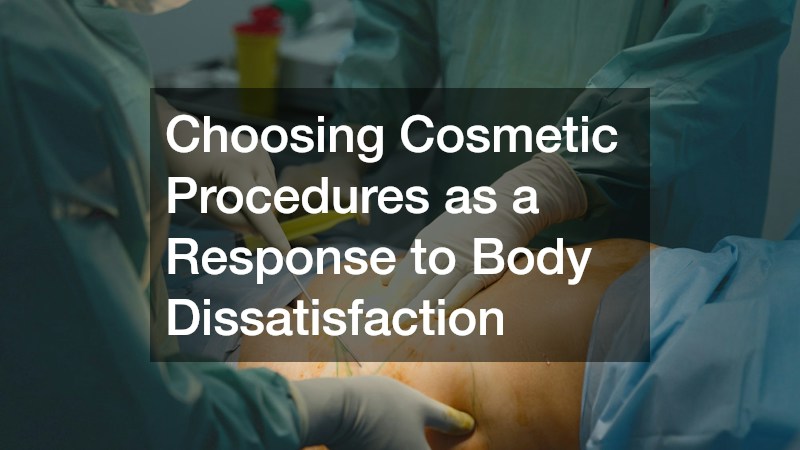
Cosmetic treatment decisions are rarely made in a vacuum, and body image struggles often play a larger role than people admit, even to themselves. Someone might pursue a procedure not because of a specific medical concern, but because they have reached a breaking point with how they feel about a particular area of their body. This is especially common with procedures targeting stubborn fat deposits that do not respond to diet or exercise. For men, in particular, male liposuction has become a more openly discussed option as body image conversations expand beyond women’s experiences.
There is nothing inherently wrong with choosing a cosmetic procedure, but it matters whether the decision comes from a grounded place or from distress. A good consultation should include a conversation about expectations, not just technique and recovery time. Reputable providers will often ask about your motivations and mental state, not just your target areas, because long-term satisfaction depends on realistic goals.
Checking Credentials Before Pursuing Appearance-Based Treatments
Appearance-related treatments, from skin resurfacing to hair removal, have grown enormously in popularity, which has also led to a wider range of provider quality. Because body image concerns can create urgency, people sometimes skip the step of verifying who is actually performing their treatment. This is particularly important for procedures involving specialized equipment, where proper laser certification should be a baseline requirement rather than an afterthought. A provider’s credentials often say more about safety than the price of the treatment itself.
- Ask directly what certification or licensing the provider holds
- Confirm how much hands-on experience they have with your specific treatment
- Request to see before and after photos of real patients
- Check whether a licensed medical professional supervises the practice
Using Medical Weight Management Options Without Addressing the Emotional Root
The rise of medical weight loss treatments has given many people new options for managing their health, but body image struggles can shape how these tools are used. Someone might pursue a GLP 1 prescription hoping it will resolve feelings of inadequacy that have little to do with actual metabolic health. While these medications can be genuinely helpful for appropriate candidates, they work best when paired with realistic expectations and ongoing support rather than being treated as a quick emotional fix. A thoughtful provider will discuss goals, monitor progress, and check in on mental wellbeing throughout treatment, not just prescribe and move on.
It is worth remembering that no medication can fully resolve a complicated relationship with your body. Pairing medical treatment with some form of emotional support, whether through counseling or a trusted support group, tends to produce more sustainable outcomes. The goal should be feeling better in a holistic sense, not just seeing a different number on a scale.
Talking Openly With Providers About Appearance-Related Concerns
One of the simplest but most underused tools in healthcare is honesty about why you actually want a particular treatment. Providers cannot address the emotional layer of a decision if patients only present the surface request. Being upfront about body image struggles, insecurity, or past experiences with judgment allows a provider to tailor their approach and flag anything that might need additional support before moving forward.
This kind of openness also protects you from making decisions you might regret later. A provider who understands your full motivation can help you weigh whether a procedure, medication, or lifestyle change truly fits your goals. It transforms the relationship from a simple transaction into a genuine partnership focused on your long-term well-being.
Conclusion
Body image struggles will likely always play some role in how people approach their health, but that influence does not have to go unexamined. By noticing when emotion rather than medical need is steering a decision, you give yourself the chance to make more intentional, informed choices. Whether you are considering a routine appointment, a cosmetic procedure, or a new medication, take the time to ask why you want it and talk openly with a qualified provider about what you are hoping to achieve. That honesty is often the difference between a decision you feel good about and one driven purely by discomfort in your own skin.