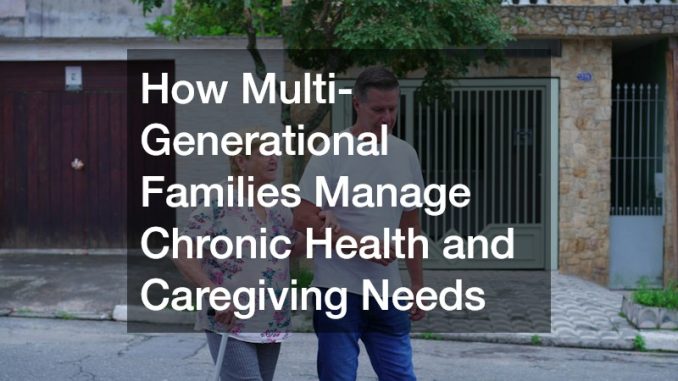

Sharing a home across multiple generations brings warmth, shared wisdom, and deep familial bonds, but it also creates intricate challenges when managing overlapping health needs. Today, millions of households operate within this dynamic. Adult children frequently find themselves in the middle: raising school-age children, maintaining professional careers, and assisting aging parents who live with chronic, progressive medical conditions.
When daily schedules demand rapid transitions between homework help, prescription pickups, and doctor consultations, household stress can quickly compound. Chronic conditions do not exist in isolation; they reshape the rhythm of the entire home. Without proactive systems, households easily fall into reactive crisis management, where emotional friction mounts, physical exhaustion takes over, and personal wellness falls by the wayside.
Creating a sustainable, supportive environment requires planning, clear operational routines, and the willingness to integrate specialized professional support. By taking an organized, proactive approach to home safety, physical recovery, clinical treatments, and emotional resilience, multi-generational families can foster an environment where every member thrives without sacrificing the caregiver’s personal vitality.
Designing Safe Home Environments and Rehabilitation Routines
Ensuring the safety and well-being of each member of a multi-generational household is of utmost importance, particularly when working to create a harmonious living environment. A key concern is the prevention of accidental injuries, which is crucial in maintaining a functional and safe home for everyone. Falls are notably the leading cause of injury-related loss of autonomy among older adults. These incidents can have severe consequences on their quality of life. Similarly, young, active children and busy adults who move quickly as they engage in various household tasks are at risk of encountering hazards, especially in cluttered or poorly designed spaces.
Clear High-Traffic Pathways and Install Fall-Prevention Modifications
Conducting a comprehensive home safety audit is an effective approach to identifying potential areas for improvement. Such an audit often reveals that even minor adjustments in the home’s layout can significantly prevent downward spirals in physical health. Problematic areas within the house might include dimly lit corridors, which can obscure potential trip hazards; slippery bathroom tiles that increase the risk of falls; unanchored area rugs, which can easily slip and cause accidents; and uneven floor levels between different rooms that pose stubbing or tripping risks.
- Improve Line-of-Sight and Lighting: To ensure safety during nighttime, especially for elderly family members who may experience disorientation in the dark, it is beneficial to install automated motion-sensor nightlights. These lights should be placed strategically along hallways and pathways connecting bedrooms and bathrooms, creating a soft, guiding illumination that reduces the likelihood of nighttime falls.
- Remove Transition Hazards: Transition areas between different flooring types can be tricky, particularly for those with mobility challenges. Replacing high thresholds with low-profile, beveled transitions can help accommodate slower walking paces and ensure accessibility for people using assistive devices such as walkers or canes, thereby reducing tripping accidents and facilitating safer movement across the home.
- Optimize Independent Transit: For older adults, maintaining independence while performing daily activities outside the home is crucial for their well-being and self-esteem. Investing in a dependable mobility scooter can enhance their capacity to run errands, enjoy neighborhood walks, or navigate spacious, single-level homes without undue physical exertion, thus easing the strain on caregivers and supporting the seniors’ active participation in everyday activities.
- Secure Wet Zones: Bathrooms, being wet areas, pose significant risks for slips and falls. To mitigate these risks, installing reinforced grab bars near toilets and showers can provide necessary support and stability. Additionally, opting for low-threshold, walk-in showers equipped with slip-resistant flooring can further enhance safety, ensuring that even in potentially hazardous areas, family members can bathe and use facilities securely and confidently.
Establish Daily Low-Impact Movement Regimens
Maintaining baseline functional strength, joint flexibility, and cardiovascular conditioning helps aging relatives retain self-care abilities like standing unassisted, dressing, and navigating steps safely.
- Personalized Clinical Programming: Collaborating with licensed physical therapists allows families to implement tailored, low-risk movement routines that address individual limitations such as osteoarthritic stiffness, post-stroke weakness, or balance deficits.
- Cross-Generational Morning Routines: Turn prescribed rehabilitation stretches into collaborative morning routines where grandchildren and grandparents stretch side by side, transforming clinical requirements into playful daily bonding.
- Routine Mobility Audits: Schedule periodic evaluations every few months to adjust movement complexity as physical capabilities shift, ensuring exercises remain challenging without risking joint strain.
Mitigating Daily Pain and Neurological Disruptions
Caregiving involves repetitive physical demands—such as assisting someone out of bed, transferring them from seating, lifting medical equipment, and bending down to pick up toys. Over time, these demands can manifest as acute or chronic spinal discomfort and debilitating headaches, impacting the entire household’s functioning.
Implement Targeted Ergonomics and Spinal Care Protocols
Caregivers often overlook their own biomechanics until a sudden muscle spasm or disc herniation leaves them immobilized. Treating mechanical strain before it becomes disabling is fundamental to sustaining long-term care duties.
- Adopt Lift Mechanics: Never lift a loved one using only upper-body strength. Keep feet shoulder-width apart, bend deeply through the hips and knees, engage the core, and keep the individual close to your center of gravity during transfers.
- Address Spinal Subluxations Promptly: When persistent lower back tightness, sciatica, or neck stiffness emerges from daily strain, consulting an experienced back pain chiropractor can help realign the spinal column, relieve nerve compression, and restore functional range of motion through gentle adjustments and decompression techniques.
- Utilize Transfer Aids: Introduce transfer gait belts, swivel seat cushions, and slide boards to reduce torque on both the caregiver’s spine and the care recipient’s joints.
Build Sensory-Friendly Spaces for Chronic Neurological Flare-Ups
The sensory-rich environment of a bustling, multi-generational house can act as a breeding ground for severe neurological distress, particularly for individuals susceptible to episodic or chronic sensory overload.
- Establish a Low-Stimulus Retreat: Dedicate a specific, quiet corner of the home with blackout curtains, white noise machines, and adjustable, dimmable warm lighting to serve as a designated decompression sanctuary.
- Deploy Rapid Clinical Protocols: When intense neurological pain begins to radiate through the temples, having an established migraine treatment protocol—combining prescribed abortive pharmaceuticals with cold-compression therapy, rapid oral rehydration, and sensory isolation—stops an episode from developing into multi-day incapacitation.
- Monitor Dietary and Environmental Triggers: Keep an ongoing log tracking potential triggers, including sudden weather shifts, artificial food preservatives, irregular sleep cycles, and domestic noise levels, to intervene before pain escalates.
Addressing Systemic Circulation, Vascular Comfort, and Adult Health
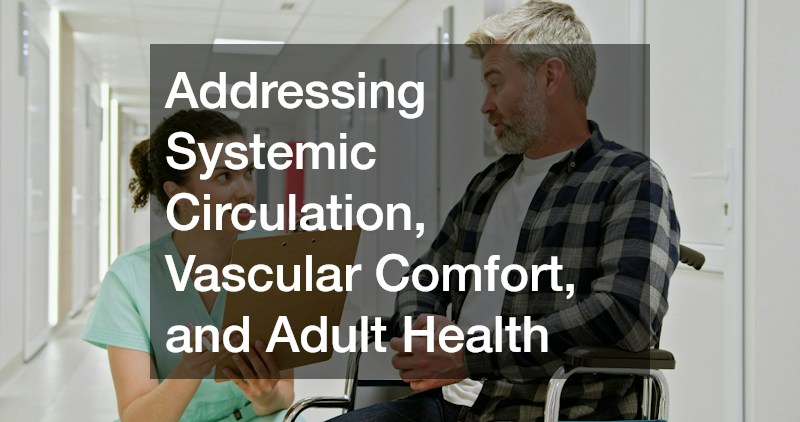
When families focus intensely on obvious medical issues like arthritis or dementia, sub-acute circulatory conditions and sensitive personal wellness matters are often neglected. Yet these issues significantly affect physical endurance, intimacy, and overall quality of life.
Maintain Lower-Limb Vascular Flow and Relieve Leg Heaviness
Caregiving demands long stretches on one’s feet, while aging relatives often experience long stretches of sitting. Both patterns disrupt healthy venous return, causing lower-extremity fluid accumulation, aching, and visible vascular distortion.
- Promote Progressive Leg Elevation: Encourage family members to elevate their feet above heart level for 15 to 20 minutes mid-afternoon to reduce pooled blood and encourage lymph drainage.
- Wear Graduated Compression Hosiery: Fitted medical compression garments worn during waking hours help keep vein valves functioning correctly, mitigating the dull ache of poor venous circulation.
- Explore Permanent Clinical Interventions: For advanced venous insufficiency marked by throbbing pain, surface skin discoloration, or substantial swelling, scheduling consultations for modern varicose vein removals—such as minimally invasive endovenous laser therapy or foam sclerotherapy—can permanently resolve painful, compromised vessels with little recovery downtime.
Protect Marital Well-Being and Navigate Sensitive Adult Health Challenges
The continuous pressure of caregiving, paired with normal biological aging, can place immense strain on intimate relationships. Adults often find their romantic connections eclipsed by caregiving logistics, fatigue, and unspoken physical issues.
- Normalize Difficult Conversations: Physical symptoms like chronic fatigue, pelvic pain, or erectile dysfunction frequently arise from underlying circulatory strain, cardiovascular markers, medication side effects, or emotional burnout rather than mere disinterest.
- Seek Comprehensive Clinical Workups: Approaching sensitive medical issues with a primary care physician helps uncover root physiological issues, enabling treatments that restore physical connection and reduce relationship tension.
- Protect Dedicated Couple Time: Reserve deliberate, non-negotiable blocks of private time where health tracking and caregiving talk are strictly off-limits, reaffirming the personal partnership that anchors the household.
Outsourcing Daily Childcare to Protect Medical Schedules
Attempting to supervise young children while simultaneously managing complex medical appointments for aging relatives is a recipe for missed steps and parental burnout. Delegating childcare responsibilities is an operational necessity that creates focused space for essential healthcare appointments.
Structure Respite Blocks to Prevent Caregiver Splitting
When an adult tries to manage pediatric activities while coordinating clinical specialists, neither receives full attention. Establishing trusted secondary child care creates vital breathing room.
- Utilize In-Home Support: Securing reputable local childcare services on predictable weekdays gives family managers focused time to transport aging parents to diagnostic centers, attend follow-up consultations, and pick up medications without children in tow.
- Establish Micro-Respite Protocols: Treat planned childcare hours as true operational windows rather than opportunities to take on additional chores, reserving them specifically for critical errands or brief mental resets.
- Create Family Emergency Hand-Off Lists: Compile emergency contact details, pediatric allergy information, and daily routines into a central binder so secondary caregivers can step in smoothly if an unexpected medical emergency occurs.
Establish Predictable Learning Routines Outside the Home
Young children thrive on consistent schedules, peer interaction, and focused developmental play, which can be hard to sustain in a home centered around elder medical care.
- Provide Normalcy Outside the Home: Enrolling toddlers or preschoolers in a licensed childcare center gives them consistent social learning and active creative play away from the quiet, clinical atmosphere of a care-focused home.
- Synchronize Schedules: Align facility drop-off and pickup times with routine recurring therapy appointments, creating a smooth, predictable rhythm across the entire workweek.
- Communicate Changing Family Dynamics: Keep teachers and center administrators informed about home health strains, helping them offer appropriate emotional reassurance to children when family stress is elevated.
Preserving Mental Health and Preventing Caregiver Burnout
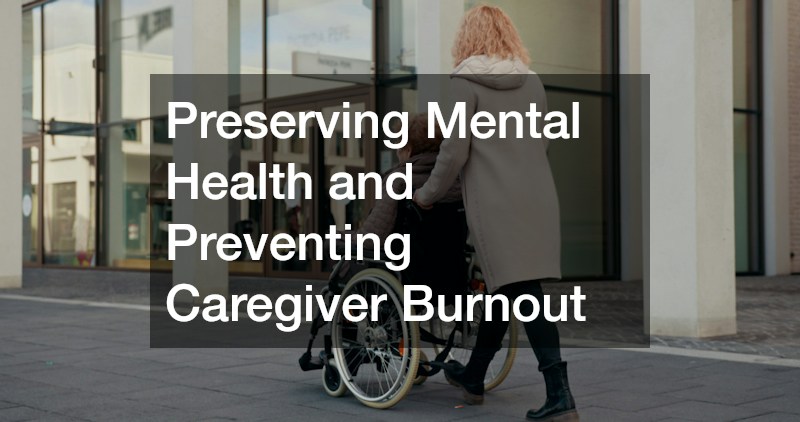
The emotional reality of the sandwich generation includes anticipatory grief, changing family dynamics, loss of personal freedom, and chronic mental fatigue. Long-term caregiving is impossible without active emotional maintenance.
Process Multi-Generational Grief and Chronic Stress Through Guided Support
Witnessing a parent lose their physical or cognitive independence while simultaneously raising dependent children creates a unique emotional weight. Caregivers frequently experience guilt, feeling they are failing both generations at once.
- Engage Structured Psychological Help: Contacting a reputable counseling service gives family members a confidential, non-judgmental space to process complex emotions, unpack resentment, and navigate relationship shifts with aging parents.
- Recognize Burnout Warning Signs: Watch for early indicators of compassionate fatigue, such as sudden emotional numbness, chronic insomnia, unusual irritability, and feelings of constant dread before standard daily tasks.
- Join Targeted Support Networks: Participating in regular support groups with others managing similar multi-generational challenges helps normalize difficult emotions and yields practical, crowd-sourced survival tips.
Develop Evidence-Based Coping Strategies for Family Conflict
Differences in medical opinions, financial pressures, and unequal task sharing among siblings often trigger emotional friction in multi-generational settings.
- Facilitate Objective Mediation: Working with a neutral, licensed professional therapist allows extended families to establish healthy emotional boundaries, resolve long-standing resentments, and hold productive family meetings without explosive conflict.
- Apply Cognitive Behavioral Techniques: Learn to recognize cognitive distortions—such as catastrophizing or internalizing blame—and replace them with actionable, measured assessments of what is realistically within your control each day.
- Enforce Daily Non-Negotiable Rest Periods: Set aside a protected 20-minute daily window for independent quiet, breathwork, reading, or gentle walking to reset the nervous system and build emotional resilience for the days ahead.
Building a Sustainable Rhythm for the Future

Managing chronic medical issues alongside child-rearing within a single home is a marathon, not a sprint. The secret to long-term success does not lie in personal sacrifice or sheer endurance; it lies in creating clear, shared operational systems that protect every family member.
Begin by evaluating your home’s current stress points. If physical transitions cause anxiety, modify the physical environment. If administrative tasks and clinical consultations overwhelm your daily calendar, leverage community child supervision to regain schedule control. If physical pain or emotional strain begins to compromise your patience, seek clinical treatments and therapeutic outlets without delay.
Most importantly, recognize that utilizing external professional services is not an admission of inadequacy, but an act of responsible stewardship. By actively integrating medical specialists, home adaptations, daily physical routines, and emotional support networks, you turn a high-pressure living arrangement into a secure, nurturing environment where every generation can live with dignity and connection.