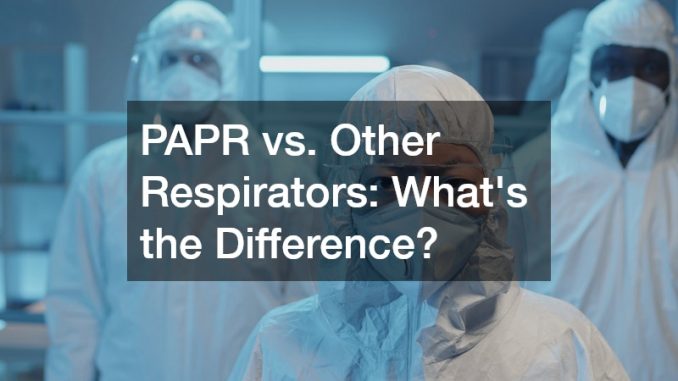
Respiratory protection can be essential in workplaces where employees may encounter airborne particles, gases, vapors, or other hazards. papr‘> A PAPR, or powered air-purifying respirator, is one type of equipment designed to provide respiratory protection by using a powered blower to move filtered air to the wearer. Unlike some other respirators, a PAPR does not rely solely on the user’s inhalation to draw air through its filters.
Understanding how different respirators operate can help employers and workers consider which equipment is appropriate for a particular environment.
How PAPRs Work Compared With Other Respirators
A PAPR uses a battery-powered blower to pull surrounding air through filters or cartridges before directing the filtered air toward the user’s breathing zone. Depending on the configuration, the system may deliver air through a hood, helmet, facepiece, or other headgear.
By comparison, many non-powered air-purifying respirators rely on the wearer’s breathing to draw air through filters or cartridges. Supplied-air respirators work differently because they receive breathing air from an external source rather than filtering the surrounding atmosphere.
Each type of respirator has specific applications and limitations. The appropriate option depends on the hazards present, the conditions of the workplace, and the requirements of the applicable respiratory protection program.
Understanding Powered Airflow
The powered airflow is one of the primary features that distinguishes a PAPR from many other air-purifying respirators. The blower continuously moves air through the filtration system, creating airflow within the breathing zone.
Because the blower assists with airflow, some users may find breathing easier than with certain non-powered respirator configurations. However, powered equipment still requires proper use. Workers should follow the manufacturer’s instructions, workplace procedures, and applicable respiratory protection requirements to ensure the equipment functions as intended.
PAPR Protection and Respiratory Hazards
PAPRs can be configured with different filters or cartridges based on the hazards they are intended to address. This flexibility can make them useful in a variety of workplace environments, but it does not mean every PAPR is appropriate for every hazard.
Selecting respiratory protection starts with understanding the contaminants workers may encounter and determining the level of protection required. Factors such as the type and concentration of a contaminant can influence equipment selection. Oxygen-deficient environments and certain hazardous atmospheres may require respiratory protection other than an air-purifying system.
A comprehensive workplace respiratory protection program should include hazard assessment, appropriate equipment selection, training, maintenance, and applicable fit or use requirements.
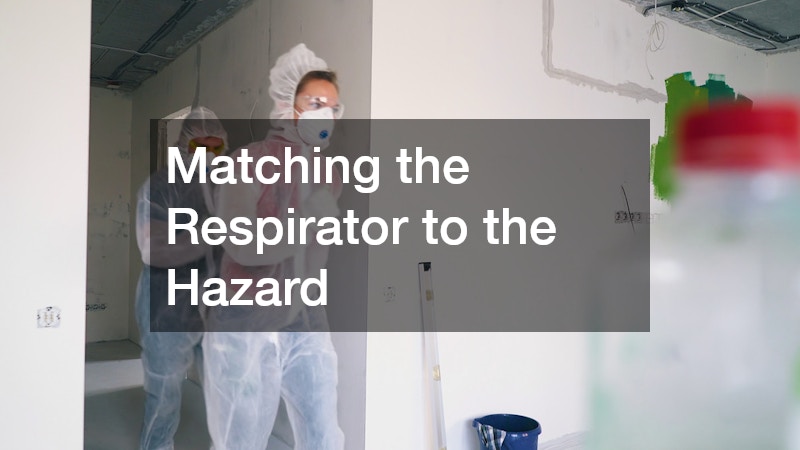
Matching the Respirator to the Hazard
Identifying airborne contaminants is an important first step when determining respiratory protection needs. Particles, gases, vapors, and other hazards can require different types of filters, cartridges, or respiratory systems.
Employers should not select equipment based simply on convenience or general appearance. Consulting applicable regulations, safety professionals, and manufacturer guidance can help ensure the selected respirator is appropriate for the specific workplace conditions.
Comfort, Mobility, and Ease of Use
Comfort can also influence the user experience. Traditional negative-pressure respirators require the wearer to draw air through the filtration system with each breath. Depending on the configuration, this can create breathing resistance that some users may find uncomfortable during extended periods of use.
A PAPR’s powered airflow may reduce that breathing resistance for some configurations, which can be beneficial for workers who need respiratory protection for longer periods. However, PAPRs also introduce practical considerations. Battery life, blower weight, hoses, headgear, visibility, and communication can all affect how easily a system fits into a worker’s routine.
For example, workers may need to monitor battery status and ensure the blower and filtration components remain properly maintained. Headgear and other components should also be used according to manufacturer specifications.
Comfort is valuable, but it should never replace proper protection. A comfortable respirator is only useful when it is appropriate for the hazard and used correctly.
Choosing Between a PAPR and Other Respirators
There is no single respirator that is automatically the best choice for every worker or workplace. Choosing between a PAPR, another air-purifying respirator, or a supplied-air system requires consideration of the specific work environment.
Important factors can include the type and concentration of the hazard, oxygen levels, required level of protection, duration of exposure, physical demands of the job, and environmental conditions. Employers may also need to consider communication, visibility, mobility, maintenance, and worker-specific needs.
A PAPR may offer advantages in certain situations because of its powered airflow, while another respirator may be more appropriate for a different application. Supplied-air systems may be necessary when the surrounding atmosphere cannot safely be purified through an air-purifying system.
The right respiratory protection depends on the specific workplace hazards, environmental conditions, and applicable safety requirements. Employers and workers should carefully evaluate their respiratory protection needs and follow relevant regulations, training requirements, maintenance procedures, and manufacturer instructions when selecting and using respiratory equipment.