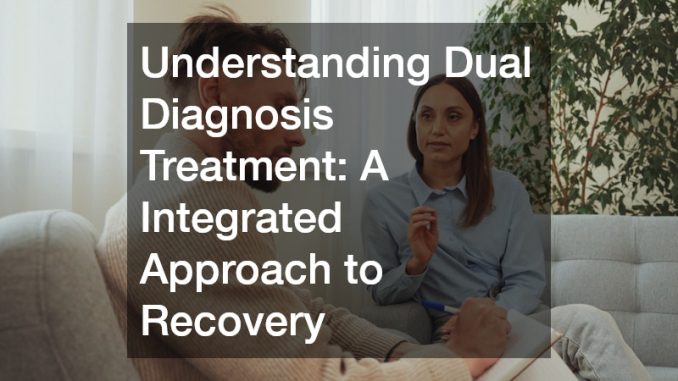

Mental health disorders and substance use often exist in a complex, intertwined cycle. When an individual experiences both a mental health condition—such as depression, anxiety, or post-traumatic stress disorder—and a substance use disorder simultaneously, it is clinically referred to as a co-occurring disorder. Historically, these two issues were treated independently, often leading to fragmented care and high relapse rates. Today, modern addiction medicine emphasizes a comprehensive framework known as dual diagnosis treatment, which addresses both conditions concurrently to foster long-term healing and stability.
The Interconnected Nature of Co-Occurring Disorders
It is common for mental health struggles and addiction to feed into one another. In many cases, individuals living with unaddressed emotional distress or psychiatric symptoms resort to alcohol or drugs as a form of self-medication.
While substances may provide temporary relief, they ultimately alter brain chemistry and aggravate the underlying mental health symptoms over time. Conversely, chronic substance abuse can trigger or exacerbate psychiatric conditions, creating a biological environment prone to severe mood fluctuations, heightened anxiety, and emotional instability.
Because the symptoms of psychiatric conditions and substance dependency overlap so closely, isolating one from the other during recovery is ineffective. Treating an addiction without addressing trauma or depression often leaves the root driver of the substance use intact. Similarly, attempting therapy for anxiety while actively engaging in heavy substance use severely limits psychological progress. Recognizing this interconnected reality is the cornerstone of effective dual diagnosis treatment.
Key Components of Integrated Dual Diagnosis Treatment
Effective dual-diagnosis treatment relies on an integrated model in which a multidisciplinary team of medical professionals, psychiatrists, and addiction counselors works together. Instead of bouncing between separate facilities or disparate specialists, patients receive synchronized care under a unified therapeutic framework.
Integrated care typically encompasses several foundational evidence-based therapies:
-
Comprehensive Evaluation and Assessment: Medical professionals perform thorough psychiatric and clinical screenings to uncover all active mental health conditions and understand the severity of the substance dependency.
-
Evidence-Based Psychotherapy: Modalities such as Cognitive Behavioral Therapy (CBT) and Dialectical Behavior Therapy (DBT) help individuals identify negative thought patterns, develop healthy coping mechanisms, and process unresolved trauma.
-
Medication Management: When appropriate, non-addictive psychiatric medications may be prescribed and closely monitored to help stabilize mood, reduce anxiety, or control cravings safely.
-
Group and Peer Support: Sharing experiences with peers navigating similar co-occurring challenges breaks the sense of isolation and builds a strong foundation of mutual accountability.
The Benefits of an Integrated Pathway to Healing
Choosing a specialized program designed for co-occurring disorders significantly alters the trajectory of recovery. One of the most immediate benefits is a drastic reduction in relapse risk. By learning to manage emotional triggers, stress, and mental health flares through healthy coping mechanisms rather than substance use, individuals build resilience against future cravings.
Furthermore, integrated care focuses on holistic restoration. Healing extends beyond physical sobriety to include emotional regulation, healthier interpersonal relationships, improved self-esteem, and sustained lifestyle stability. When healthcare providers recognize that mental wellness and addiction recovery go hand in hand, patients receive the nuanced, empathetic care required to achieve lasting independence.
Reclaiming Your Life with Specialized Support
Overcoming co-occurring disorders requires patience, expert medical guidance, and a compassionate therapeutic environment. With the right clinical framework, individuals living with a dual diagnosis can break free from the cycle of self-medication and build a fulfilling life rooted in wellness and stability.
If you or a loved one is struggling with co-occurring mental health and substance use challenges, dedicated assistance is available. Shepherd Recovery Centers specializes in delivering compassionate, evidence-based care tailored to your unique needs. Take the first step toward lasting healing today—reach out to Shepherd Recovery Centers to learn more about comprehensive recovery programs and begin your journey toward a healthier, brighter future.