

Whether your goals are physical, mental, or emotional, establishing consistent routines sets the foundation for lasting wellbeing. While starting a new habit may feel overwhelming at first, understanding the psychology of habit formation and adopting practical strategies can make the process manageable and even enjoyable.
Many people struggle to maintain healthy routines because they aim too high, rely solely on willpower, or fail to create supportive environments. The good news is that small, intentional actions consistently applied can lead to profound change over time. This article will provide a comprehensive guide to creating habits that stick, with actionable tips across nutrition, fitness, mental health, dental care, and self-care.
Start Small and Be Consistent

When it comes to building lasting habits, consistency outweighs intensity. Trying to overhaul your lifestyle overnight often leads to burnout or failure. Instead, focus on manageable steps and realistic expectations. The key is to create habits that fit naturally into your daily life, rather than forcing drastic changes that feel unsustainable.
- Set micro-goals: Break larger objectives into small, achievable actions. For example, if your goal is to improve overall fitness, start with 10–15 minutes of daily walking rather than committing to an hour-long workout immediately. Similarly, if you want to improve your diet, begin by adding one extra serving of vegetables to your meals each day instead of trying to completely redesign your eating plan all at once. These small steps may seem minor, but they build momentum and confidence, making larger changes feel less daunting over time.
- Schedule routines: Allocate specific times for each activity to turn them into automatic behaviors. Consistency helps habits become ingrained and reduces decision fatigue. For example, set a fixed time each morning for light exercise, or dedicate a few minutes after lunch to a mindfulness practice. Over time, these scheduled actions become part of your routine, requiring less conscious effort to maintain.
- Use reminders and triggers: Pair your new habit with an existing routine, like doing stretches after brushing your teeth or drinking water before meals. Visual cues, phone alarms, or sticky notes can reinforce these behaviors until they become automatic.
Visiting a wellness center regularly can provide accountability, expert guidance, and structured programs that reinforce your new routines. Additionally, creating a personalized weight loss plan tailored to your lifestyle and goals ensures your approach is realistic and sustainable. Incorporating these strategies allows you to gradually build momentum, making it far more likely that your healthy habits will stick for the long term. Remember, success is not about perfection—it’s about consistent, incremental progress that compounds over time.
Make Healthy Eating Simple and Enjoyable

Healthy eating is a cornerstone of lasting habits, but overly restrictive diets or complicated meal plans often fail. The key is simplicity, variety, and enjoyment. When you approach nutrition as a sustainable lifestyle choice rather than a temporary restriction, it becomes easier to maintain over time.
- Plan meals ahead: Weekly meal planning reduces last-minute unhealthy choices and ensures a balanced diet. Start by selecting a few staple meals for the week and preparing ingredients in advance. For example, chop vegetables, pre-cook proteins, or portion out snacks so they are ready to grab. This approach not only saves time but also removes the stress of deciding what to eat when you’re busy or tired.
- Include variety: Rotate fruits, vegetables, proteins, and whole grains to maintain nutritional balance and prevent boredom. Experiment with new recipes, spices, or cooking methods to keep meals interesting. Incorporating a wide range of foods ensures your body receives essential nutrients and reduces the temptation to rely on processed or convenience foods.
- Practice mindful eating: Eat slowly, savor flavors, and pay attention to hunger cues to prevent overeating. Avoid distractions like phones or screens during meals. Focusing on your food helps you enjoy it more and recognize when you’re satisfied, which supports portion control and long-term healthy eating.
- Keep healthy snacks accessible: Stock your pantry and fridge with ready-to-eat nutritious options, such as nuts, fruit, yogurt, or pre-cut vegetables. When healthy choices are easy to reach, you are far less likely to grab less nutritious alternatives in moments of hunger.
Detox centers can provide structured guidance for resetting dietary habits and eliminating processed foods, making the transition to healthier eating smoother. Additionally, incorporating principles from home health care—like monitoring portion sizes, staying hydrated, and maintaining consistent meal schedules—reinforces positive habits. By keeping your approach simple, flexible, and enjoyable, you set yourself up for long-term success, making healthy eating a natural part of your daily life rather than a short-lived diet.
Prioritize Mental Wellbeing Daily

Healthy habits are not limited to the physical body; mental wellbeing is equally important. Incorporating small daily practices can dramatically improve resilience, focus, and emotional balance. Just as physical routines require consistency, mental health practices benefit from being structured and intentional.
- Journal your thoughts: Reflecting on your day helps you process emotions and identify patterns in behavior. You can start with a few sentences each morning or evening, noting what went well, challenges faced, and any lessons learned. Journaling not only clarifies your thoughts but also provides a record of progress over time, helping you see patterns that may otherwise go unnoticed.
- Practice meditation or mindfulness: Even five minutes of focused breathing or guided meditation can reduce stress, improve concentration, and boost emotional regulation. Try simple techniques like counting your breath, body scans, or focusing on sensory experiences. Apps and online resources can provide structured sessions, making it easier to establish a consistent practice.
- Set boundaries: Protect your time and energy by saying no to tasks or commitments that drain you unnecessarily. This might include limiting social media, delegating responsibilities at work, or communicating clear limits with family and friends. Boundaries prevent burnout and create space for restorative activities.
- Engage in enjoyable activities: Make time for hobbies, creative outlets, or social connections that bring you joy. Activities like painting, reading, gardening, or playing music can provide mental refreshment and help you recharge. Even short daily practices contribute to overall wellbeing.
Counseling services provide professional guidance for managing stress, anxiety, or other mental health challenges, offering techniques to reinforce your daily habits. Similarly, home care services can provide structured support for individuals who need extra help maintaining routines, ensuring mental wellness remains a priority. Incorporating consistent mental health practices strengthens your ability to sustain all other healthy habits, creating a balanced foundation for lasting wellbeing. When mental health is prioritized, it positively influences physical health, productivity, and the ability to maintain routines in every area of life.
Build a Strong Dental Care Routine
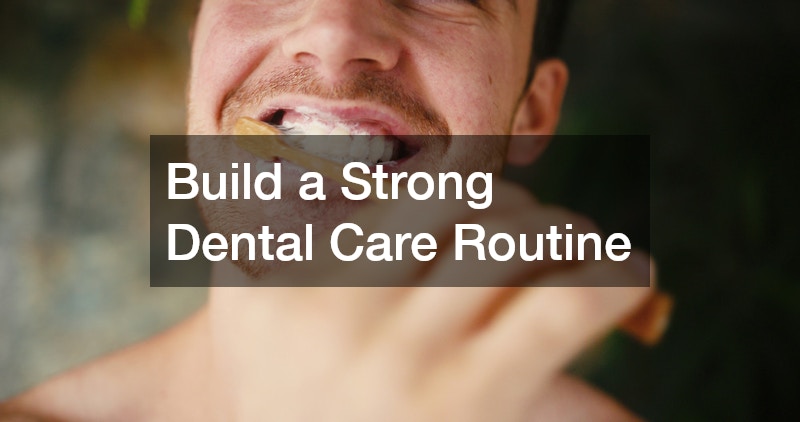
Oral health is often overlooked, but it plays a vital role in overall wellbeing. Establishing a consistent dental care routine protects teeth, prevents illness, and boosts confidence. Poor oral hygiene can contribute to a range of health issues, from gum disease to systemic conditions like heart disease and diabetes, making dental care an essential part of overall health.
- Brush and floss daily: Brush twice a day with fluoride toothpaste and floss at least once to prevent plaque buildup. Use a soft-bristled toothbrush and replace it every three months or sooner if bristles are frayed. Flossing reaches areas between teeth that brushing alone cannot, preventing cavities and gum inflammation. Incorporating proper brushing techniques, like holding the brush at a 45-degree angle and using gentle circular motions, enhances effectiveness.
- Schedule regular checkups: Routine visits allow early detection of cavities, gum disease, and other oral issues. Professional guidance ensures you are using the right tools and techniques for your specific dental needs. Many dentists also offer personalized advice for dietary choices that affect oral health.
- Use protective products: Mouthguards for sports, night guards for teeth grinding, or fluoride rinses can prevent damage and strengthen enamel. These simple tools can save time, money, and discomfort in the long run.
Visiting a cosmetic dentist can help maintain both functionality and aesthetics, boosting motivation to keep up daily care routines. Regular teeth cleaning by a professional removes plaque and tartar that cannot be eliminated with home care alone, reducing the likelihood of dental emergencies. Over time, establishing and maintaining these practices turns dental hygiene into a seamless, non-negotiable habit, reinforcing a foundation for lifelong health and confidence.
Incorporate Physical Activity Gradually
Exercise is a critical component of sustainable health habits, but starting too aggressively can be discouraging or even increase the risk of injury. Gradual integration allows you to develop consistency and enjoy the process without feeling overwhelmed. The key is to make physical activity a regular part of your lifestyle rather than a temporary or intense effort that’s hard to maintain.
- Start with short sessions: Even 10–15 minutes of daily activity can improve mood, cardiovascular health, and energy levels. Short sessions can be broken up throughout the day—for example, three five-minute walks or stretching breaks during work hours. The most important part is showing up consistently; over time, these short sessions can naturally extend into longer workouts as your stamina improves.
- Mix activities: Incorporate a combination of strength training, cardio, and flexibility exercises to achieve balanced fitness. For instance, alternate between brisk walking, bodyweight exercises, and yoga or stretching routines. Mixing activities reduces boredom, prevents overuse injuries, and strengthens different parts of the body.
- Set realistic goals: Focus on progress rather than perfection. Celebrate incremental improvements, such as adding a few more steps each day, increasing weights gradually, or holding a plank a few seconds longer. Tracking progress with a journal or fitness app can help you see measurable results and stay motivated.
- Integrate movement into daily life: Simple lifestyle changes can significantly increase your overall activity level. Take the stairs instead of the elevator, walk while on phone calls, or perform stretching breaks during work. These small actions add up over time and help you move consistently without needing a formal exercise session.
If you use clear aligners, make sure they don’t interfere with hydration or snack routines, as staying hydrated and maintaining oral hygiene is crucial during workouts. Additionally, it’s important to know when to access an emergency dentist if you sustain oral injuries during physical activity. By gradually incorporating movement into your daily routine, you create a habit that feels natural, sustainable, and enjoyable, laying the foundation for lifelong fitness and wellbeing.
Create a Supportive Environment
The environment around you can either reinforce or sabotage your habits. Structuring your surroundings is crucial for making healthy choices easier and more consistent.
- Reduce temptations: Remove unhealthy snacks, reduce clutter, and create designated spaces for exercise or relaxation.
- Add cues for healthy behavior: Place water bottles on your desk or workout clothes by your bed to trigger desired habits.
- Engage social support: Share goals with friends, family, or online communities for accountability.
- Use structured programs: Organized classes or programs create built-in motivation and structure.
Wellness centers provide structured environments with resources, coaching, and a community that supports habit formation. Similarly, home care services can offer personalized routines and reminders for those needing extra support. By curating your environment, you reduce friction and make adherence to new habits easier.
Track Your Progress and Adjust
Monitoring progress is essential for sustaining habits. Tracking allows you to identify what works, celebrate milestones, and adapt strategies when necessary.
- Use apps or journals: Record workouts, meals, mood, or other metrics to visualize progress.
- Set short-term milestones: Weekly or monthly targets provide motivation and a sense of accomplishment.
- Reflect regularly: Identify challenges, successes, and areas needing adjustment.
- Adjust when needed: If a habit isn’t working, modify it rather than abandoning it completely.
Following a structured weight loss plan allows you to monitor dietary changes and physical activity systematically. Similarly, participating in a detox center program can help track improvements and provide measurable results. Tracking progress reinforces accountability and helps you adapt habits for long-term success.
Overcome Setbacks Without Losing Momentum
Setbacks are a natural part of any habit-building journey. What matters is how you respond to them.
- Reframe setbacks: View missed days as opportunities to learn rather than failures.
- Identify triggers: Understand what causes lapses and plan strategies to prevent recurrence.
- Use support networks: Seek advice or encouragement from friends, family, or professionals.
- Re-establish routines quickly: Return to your habit as soon as possible to prevent negative momentum.
Home health care resources can assist individuals who face physical or health-related obstacles, ensuring consistency despite challenges. Counseling services can help manage emotional setbacks or stress-related interruptions. By responding to setbacks constructively, you maintain momentum and build resilience in your habits.
Building healthy habits that last requires intentional effort, consistency, and a willingness to adapt. By starting small, creating supportive environments, and monitoring progress, you can establish routines that improve your physical, mental, and emotional wellbeing over time.
Integrating habits across nutrition, exercise, dental care, and self-care creates a comprehensive approach to lasting health. Remember, perfection isn’t necessary—progress is. Each small, consistent step compounds into long-term benefits, making a healthy lifestyle attainable and sustainable. Start today, stay patient, and celebrate the journey toward lifelong wellness.