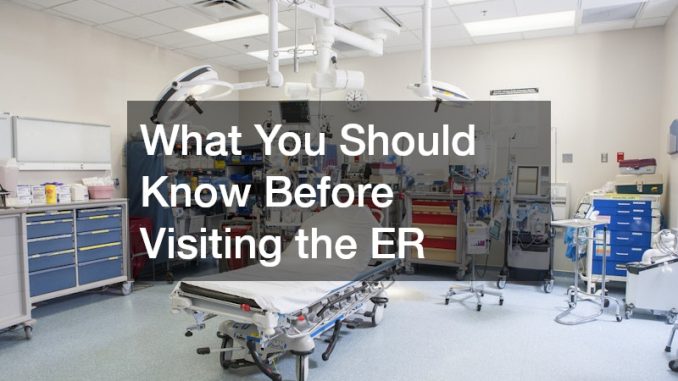
A trip to the emergency room is rarely planned, but knowing what to expect can make the experience far less stressful. Whether you are going for yourself or helping a loved one, understanding how emergency departments operate gives you more control in a moment that often feels chaotic. Emergency rooms are designed to treat serious or life-threatening conditions, and their systems prioritize the most urgent needs first. By learning how emergency care works, what information you should bring, and how emergency care services determine treatment order, you can walk in feeling more prepared and confident. This preparation not only supports faster communication with medical staff but can also help you get the most appropriate care for your condition.
Many people enter the ER unsure of how long they will wait, who they will see, or what will happen next. These unknowns can be overwhelming when emotions are already high. That is why knowing how emergency care functions, what documentation you should carry, and which symptoms require immediate attention can help ease the process. With the right expectations, you can focus on what matters most: getting safe and effective treatment.
Understanding Triage and Wait Times
One of the first things to understand about emergency care services is the triage process. When you arrive, a nurse evaluates your symptoms to determine how urgently you need care. This system ensures that patients with life-threatening emergencies, such as severe breathing difficulty, chest pain, or stroke symptoms, receive help immediately. It may feel frustrating if you see others being treated ahead of you, but triage is designed to protect lives, not operate on a first-come, first-served basis.
Even if your issue is painful or frightening, it might not be considered as urgent as conditions that could quickly become fatal. Knowing this helps reduce stress during long wait times. Triage nurses may also reassess you if your symptoms change, so it is important to communicate clearly and report any worsening discomfort or new issues.
What to Bring With You
Bringing the right items can make your ER visit smoother and help medical professionals make informed decisions. Essential information includes a list of medications you take, allergies, past medical conditions, and the name of your primary care provider. If applicable, having insurance cards, identification, and a brief summary of recent symptoms can help staff quickly gather details needed for your treatment.
If you are helping someone else, especially an elderly family member or child, bring any documents related to their medical history. Patients often forget important information during stressful moments, so having these details written down or saved on your phone ensures accuracy. Clear communication helps emergency care services avoid delays or medication conflicts.
When You Should Go Straight to the ER
Deciding whether to go to the emergency room can be difficult, but certain symptoms always require immediate medical attention. Severe chest pain, sudden weakness on one side of the body, difficulty breathing, uncontrolled bleeding, head injuries, major burns, and signs of stroke are examples of issues that should never wait. These conditions progress quickly and can become life-threatening within minutes.
If you are unsure whether the ER is appropriate, err on the side of caution—but trust your instincts. When something feels seriously wrong, or when symptoms appear suddenly and intensely, the ER is the safest choice. Emergency care services specialize in handling acute problems that cannot wait for a scheduled appointment.
What to Expect During Testing and Diagnosis
After triage, you may undergo diagnostic tests such as blood work, imaging scans, or EKGs. These tests help doctors identify the source of your symptoms and rule out dangerous conditions. It is normal for the testing process to take time, and results may not be immediate. Hospitals must process tests carefully to provide accurate information, so patience is important throughout this stage.
Doctors will also ask detailed questions about your symptoms, recent activities, and medical history. Being honest and thorough helps the team diagnose you accurately. Even information that seems unrelated could be important, so be open about medications, lifestyle habits, or recent injuries.
The Role of Specialists and Consultations
Depending on your symptoms, the ER doctor may consult with specialists such as cardiologists, neurologists, surgeons, or pediatricians. This collaboration ensures you receive the most appropriate and informed care. These consultations may be done in person or through telemedicine depending on the hospital’s resources.
Because specialists often juggle multiple emergencies, there may be waiting periods before they arrive or respond. Understanding that these delays are part of coordinating safe and effective emergency care services can help reduce anxiety while you wait.
How Treatment Decisions Are Made
ER doctors must act quickly, using limited information to make decisions that protect your health. Treatment may begin even before all test results return if symptoms point toward a serious condition. You might receive IV fluids, pain relief, breathing support, or medications to control symptoms.
It is important to ask questions and understand the purpose of each treatment. You have the right to be informed at every step, and medical staff expect you to voice concerns or clarify instructions. Clear communication between the patient and the team improves safety and outcomes.
Preparing for Discharge or Admission
Once your evaluation is complete, the ER team will decide whether you need to be admitted to the hospital or can safely go home. Discharge instructions usually include information about medications, follow-up appointments, and warning signs to watch for. It is crucial to read and understand these instructions thoroughly so you can take care of yourself after leaving the ER.
If you are admitted, the hospital will transfer you to an inpatient unit for continued care. This transition may take time depending on room availability, but staff will update you throughout the process. Understanding the next steps helps you remain calm and focused on recovery.
Visiting the ER can feel overwhelming, but knowing what to expect makes the experience more manageable. Understanding triage, bringing essential information, recognizing serious symptoms, and communicating clearly with medical staff all contribute to a smoother visit. Emergency care services are designed to treat the most urgent medical needs, and by preparing yourself ahead of time, you can help the team deliver the best possible care. Whether the visit is for you or a loved one, navigating the ER with awareness and confidence leads to better outcomes and greater peace of mind during stressful moments.