Taking the initial step toward healing from substance use disorder requires courage, honesty, and access to dependable clinical support. Addiction impacts every dimension of an individual’s life—disrupting physical health, emotional equilibrium, personal relationships, and professional stability. Because addiction is a complex and progressive condition, attempting to manage recovery alone often leads to frustration and repeated cycles of relapse.
Engaging with a dedicated, professional drug rehab program offers the medical structure, therapeutic depth, and safe environment necessary to navigate withdrawal safely and establish healthy coping mechanisms for long-term sobriety.
Structured Detoxification and the Value of Clinically Supervised Care
The recovery journey begins with detoxification, the vital process during which the body clears addictive substances from its system. Depending on the substance, duration, and frequency of use, acute withdrawal symptoms can range from uncomfortable chills, nausea, and intense cravings to potentially severe complications such as seizures, extreme dehydration, or delirium tremens.
Undergoing medically supervised detox inside an accredited drug rehab ensures vital signs are continuously monitored around the clock. Clinical staff administer approved medications to alleviate physical discomfort, reduce chemical cravings, and prevent medical emergencies. Beyond physical safety, a supervised setting removes individuals from triggering environments and immediate access to substances during their most vulnerable phase. This medical safety net transforms what could be a dangerous and painful ordeal into a manageable, dignified transition into treatment.
Evidence-Based Behavioral Therapies and Addressing Dual Diagnosis
Breaking physical dependence is only the opening chapter of sustainable recovery. Real transformation happens through evidence-based psychotherapy, which uncovers the core drivers, thought patterns, and emotional distress fueling substance misuse.
High-caliber addiction treatment integrates diverse therapeutic approaches:
- Cognitive Behavioral Therapy (CBT): Helps clients recognize cognitive distortions, modify self-defeating behavioral patterns, and develop practical problem-solving strategies.
- Dialectical Behavior Therapy (DBT): Cultivates mindfulness, emotional regulation, and healthy distress tolerance skills to manage overwhelming impulses without substances.
- Dual Diagnosis / Co-Occurring Care: Many individuals struggling with substance dependency also navigate co-occurring mental health conditions such as generalized anxiety, major depressive disorder, bipolar disorder, or post-traumatic stress disorder (PTSD). Integrated dual-diagnosis treatment addresses both the chemical dependency and the underlying psychiatric condition simultaneously, dramatically reducing future relapse risks.
- Family Therapy & Support Systems: Substance misuse rarely affects only the individual. Structured family sessions help rebuild broken trust, establish clear, healthy interpersonal boundaries, and heal strained relationships, so loved ones become a positive network of accountability.
Holistic Healing, Life Skills, and Sustainable Relapse Prevention
Lasting sobriety requires learning how to live fully in the everyday world. Comprehensive treatment models understand that physical well-being, lifestyle habits, and community connection are deeply intertwined. For this reason, modern rehabilitation embraces holistic modalities—including nutritional guidance, physical fitness, creative arts, and mindfulness practices—to help restore the body and calm the nervous system.
Equally critical is robust discharge planning and continuing care. As clients progress toward completion of their primary drug rehab program, clinical case managers help map out an actionable continuum of care:
- Step-Down Programs: Transitioning from inpatient residential care into Partial Hospitalization Programs (PHP) or Intensive Outpatient Programs (IOP) to maintain clinical support while gradually reintegrating into daily routines.
- Sober Living Environments: Safe, substance-free transitional housing that provides peer camaraderie, curfews, and personal accountability.
- Personalized Relapse Prevention Blueprints: Identifying an individual’s unique environmental triggers, establishing crisis contact networks, and actively engaging with 12-Step or non-12-Step peer recovery groups.
By developing emotional resilience and practical life skills, individuals leave treatment equipped to handle career demands, relationship stress, and social pressures without turning back to drugs or alcohol.
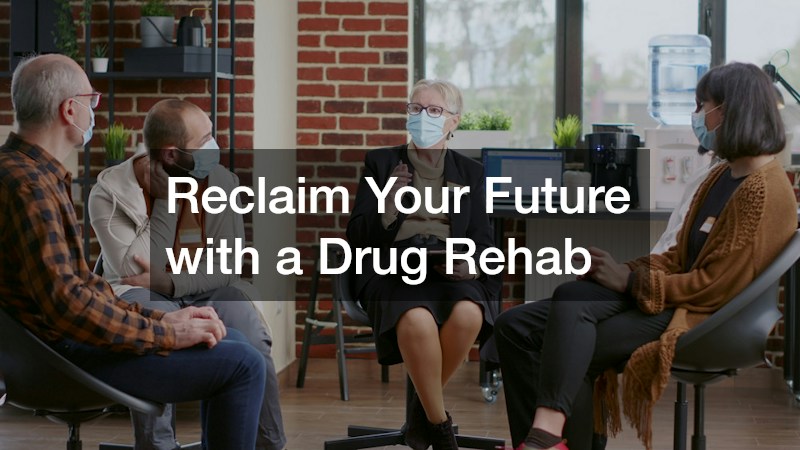
Reclaim Your Future with a Drug Rehab
Recovery is not an endpoint; it is a transformative process that begins with a single, decisive step toward expert care. If you or someone you care about is battling substance dependency, compassionate and qualified guidance is available to walk beside you through every stage of healing.
At Bonus Round Recovery, experienced clinicians and addiction professionals provide personalized, evidence-based treatment plans tailored to your specific needs and personal history. Contact Bonus Round Recovery today to speak confidentially with an admissions specialist and take your first step toward lifelong freedom and wellness.